English
  |


Interactive design art video

Museum art installation
Interactive art installations that combine digital technology, projection, and sensors to create immersive experiences for museums, galleries, public spaces, and events.
Our Projection Immersive Art combines digital projection technology with creative art to create a fully immersive experience through dynamic light and shadow, interactive design and surround sound.
 |  |
 |  |
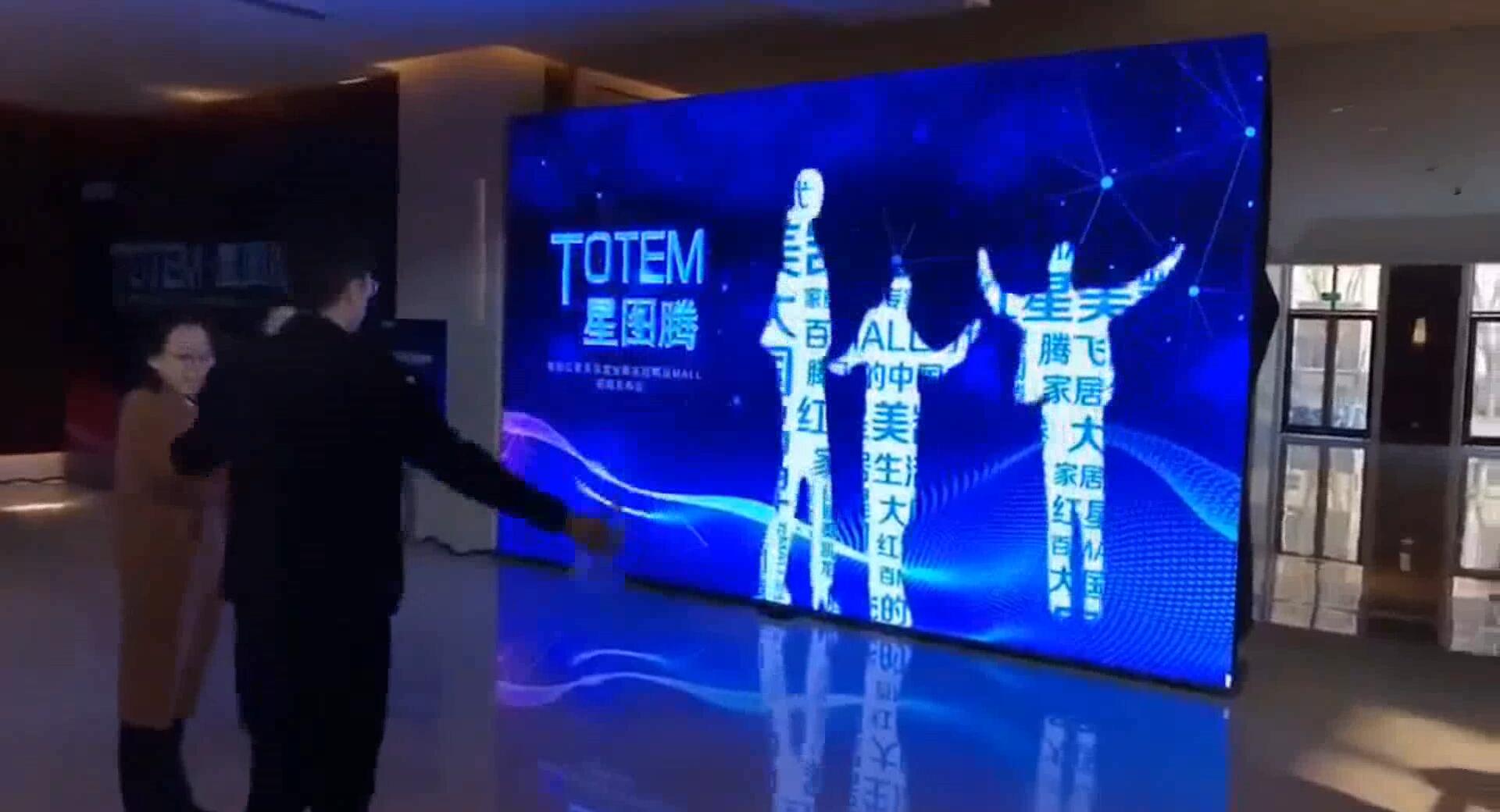
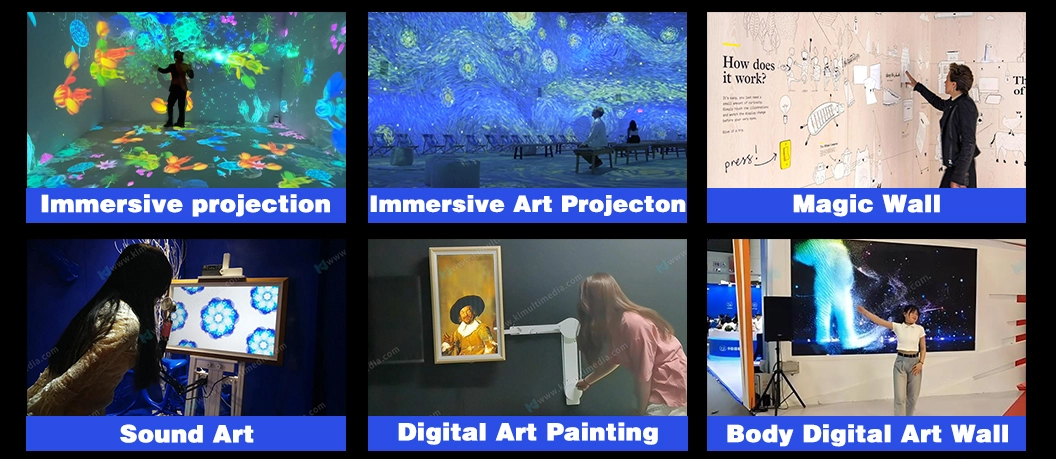
Our interactive Projection Art Installations, ideal for museums and events, use your movements to trigger special effects like rainbow walls, smoke, fireworks, fluid particles, and the Abstract Waves game, offering a magical digital experience.


The "Human Body Digital Art Wall" uses sensors to capture visitors' movements, transforming them into dynamic art particles displayed on a screen. These particles form an ever changing digital artwork, changing in real time as visitors interact with the sensors.

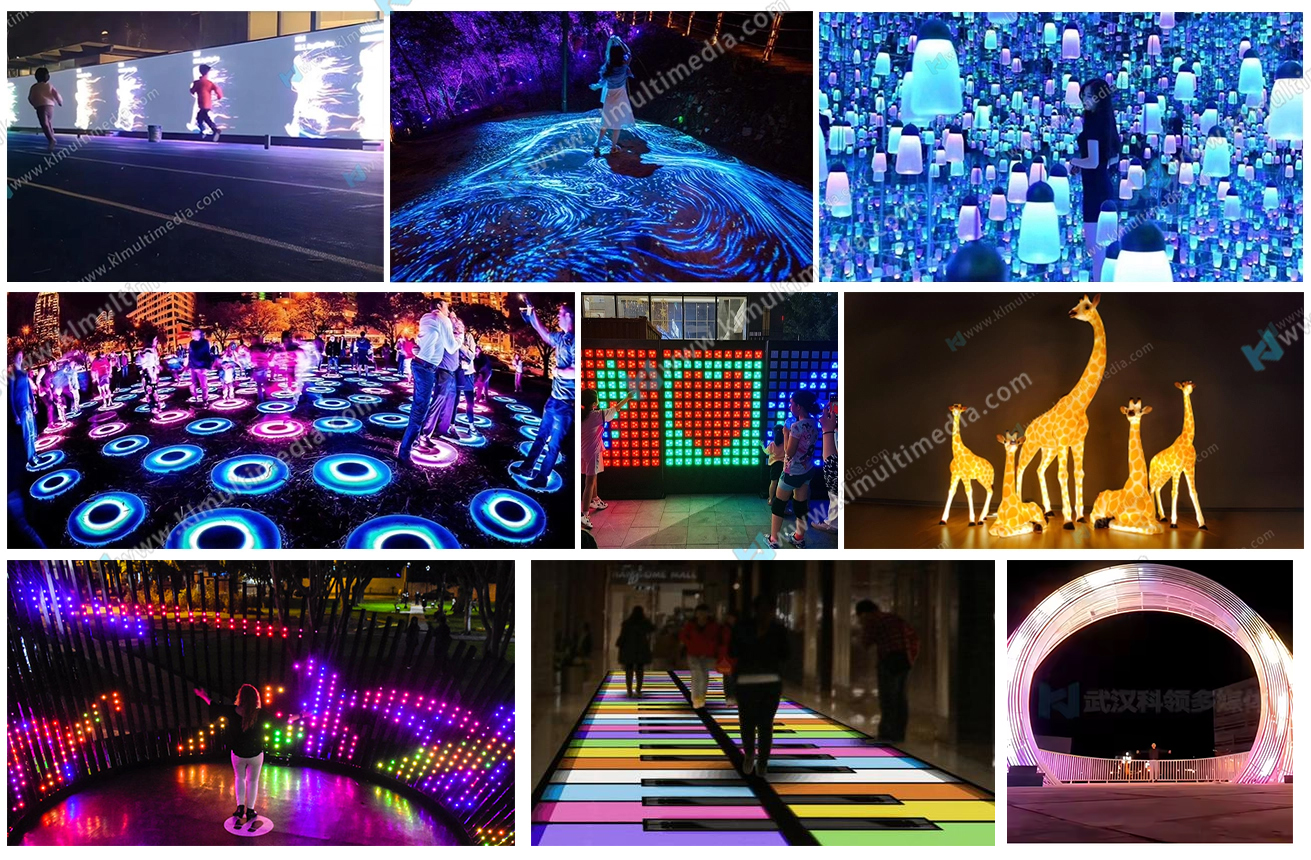
This Interactive Light Installation combines advanced lighting, audio, and projection technology to create a multi-sensory experience that blends the forest’s natural beauty with digital artistry. Precision lighting highlights the forest’s contours, while dynamic audio and projections bring the environment to life with movement and narrative.

Using a digital picture frame to display art, this fusion of technology and creativity offers a vivid, dynamic art experience. Touch and motion sensors allow viewers to interact with the art, deepening their engagement with new media art in galleries. This blend of traditional art and modern technology creates a unique, innovative display that brings art to life in exciting new ways.
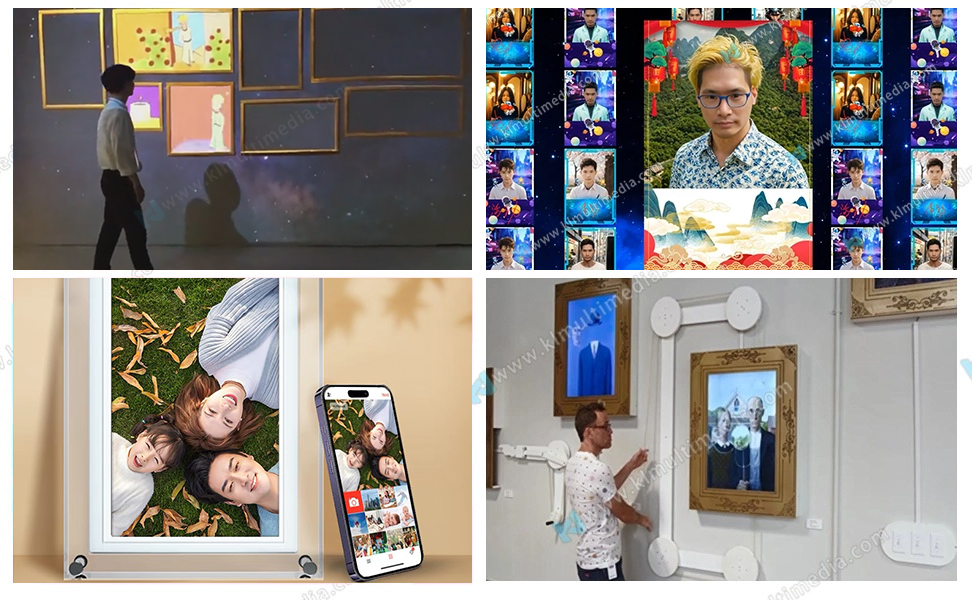

 Projection mapping is an innovative technology that transforms ordinary objects or architectural structures into immersive visual displays. By using specialized software and precise alignment, projected images are dynamically adapted to fit the contours of complex surfaces, creating stunning 3D projection effects.
The sound sensor embedded in the art installation captures audience sounds, transforming them into digital content displayed on a screen. This creates a more immersive and impactful way to convey the emotions and meaning within the artwork.
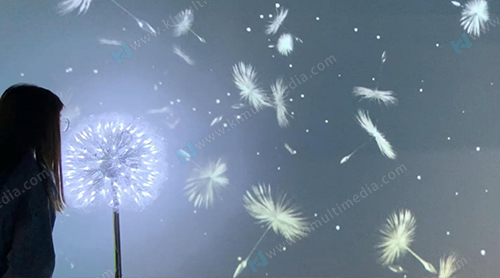
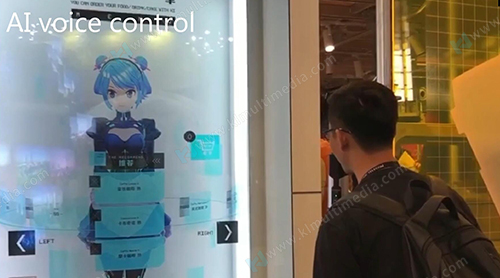

An interactive art installation is a digital or physical artwork that responds to visitor movement, touch, or sound using technology such as sensors and projection systems.
Kleader interactive art installation offers a variety of immersive experiences, including immersive projection, interactive media art, and interactive lighting installation art.
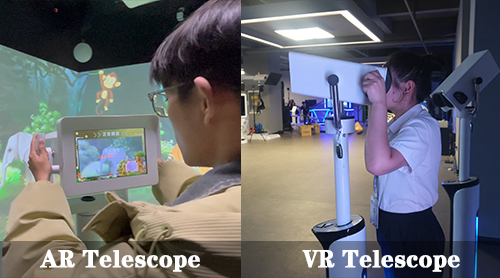
Virtual reality is revolutionizing the creative process of performance art, pushing the boundaries of contemporary arts and offering unprecedented immersive experiences.
We provide affordable mature products and customized services available.
FAQ(click icon for answer)
 | 300 free interactive multimedia video examples for design |
They are commonly used in museums, galleries, public spaces, cultural exhibitions, and brand experience events.
They typically use motion sensors, cameras, projectors, interactive software, and real-time rendering technology.
Museums and science centers
Art galleries and cultural exhibitions
Public spaces and city installations
Brand events and experiential marketing
Projection-based interactive art
Motion-reactive digital artwork
Sound and light responsive installations
Immersive environments using sensors and software
Interactive art installations increase visitor engagement, encourage exploration, and extend visit duration.
They help venues create educational, emotional, and interactive storytelling experiences.
The characteristics of interactive art installation mainly include interactivity, immediacy, high technology, selectivity, experience and space:
The core feature of interactive art installation is to allow the audience to interact with the work and enhance the viewer's experience;
At the same time, the work can immediately respond to the interaction of the audience and provide immediate feedback;
The interactive art installation integrates advanced technologies, such as computer graphics, information collection and processing technology;
The audience can choose the way to interact with the works according to their own preferences, which increases the diversity of the works and the autonomy of the audience.